
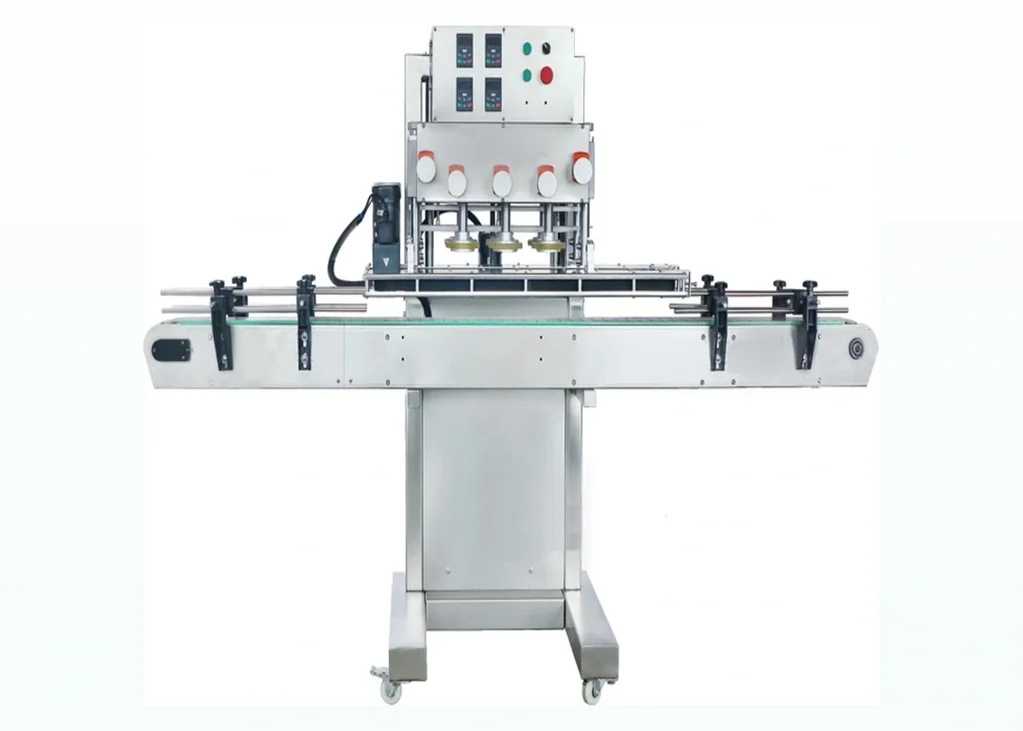
What to send for an accurate capping machine quote
The fastest route to a useful recommendation is to send practical details about the bottle, closure, output and production layout before machine selection starts.
Ask about this application →The fastest route to a useful recommendation is to send practical details about the bottle, closure, output and production layout before machine selection starts.
Lancing can help shortlist practical capping machinery after reviewing cap type, neck finish, bottle stability, output target, torque requirement and the way caps are presented to the machine.

The fastest route to a useful recommendation is to send practical details about the bottle, closure, output and production layout before machine selection starts.
Ask about this application →Physical samples are best because they reveal thread engagement, cap grip, bottle stability, dip tube behaviour and closure fit. Clear photos are useful as a first step.
Send cap diameter, cap height, bottle height, bottle diameter, neck finish, bottle material, cap material and whether the cap includes a liner, tamper band, pump or trigger.
Include target output, current labour method, line layout, existing conveyor height, filling method, changeover frequency and whether the machine must connect to labelling or coding equipment.
Photos, dimensions and target output help identify the most likely capping route. Physical samples are normally the best way to confirm tooling, cap feeding and bottle support.
Photos can help shortlist options, but physical samples are usually needed before final capping tooling or feed equipment is confirmed.
Send enough representative bottles and caps to test handling, tightening and changeover. Include each important format if the machine needs to run several products.
For some applications, filled samples help assess weight, stability and handling. Empty samples can still be useful for first review.