
Closure comparison
ROPP capping versus screw cap capping.
Compare ROPP capping and screw cap capping for glass and plastic bottles. UK guide to closures, tooling, torque and tamper-evident sealing.
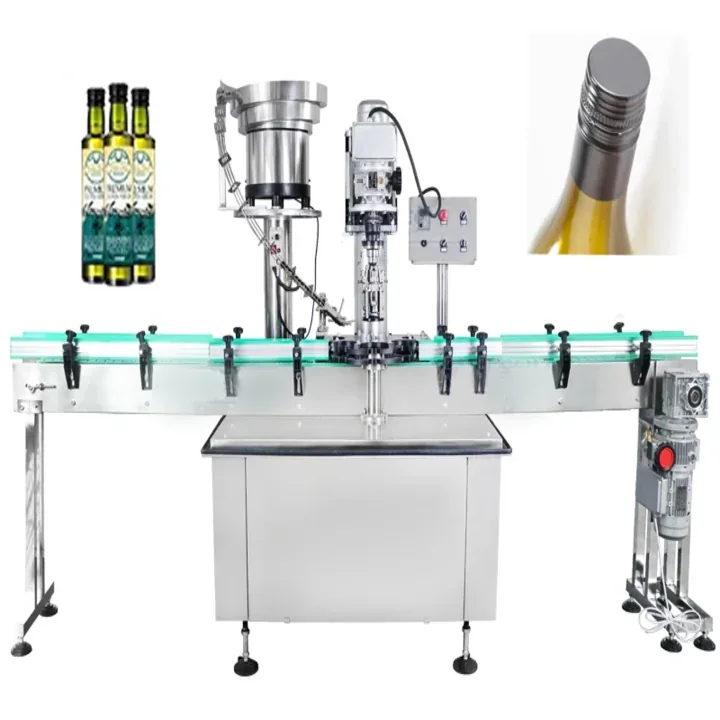
Discuss this requirement →ROPP and screw capping are different closing methods. A screw cap is normally threaded before application and tightened to a torque. A ROPP closure is an aluminium cap that is rolled onto a suitable bottle neck to form the thread and tamper band.
ROPP and screw capping are different closing methods. A screw cap is normally threaded before application and tightened to a torque. A ROPP closure is an aluminium cap that is rolled onto a suitable bottle neck to form the thread and tamper band.
Compare ROPP capping and screw cap capping for glass and plastic bottles. UK guide to closures, tooling, torque and tamper-evident sealing.
Discuss this requirement →ROPP caps need suitable glass neck finishes and rolling head tooling.
Screw caps rely on thread engagement, liner compression and controlled torque.
The right method depends on bottle material, tamper evidence, market expectations, output and closure supply.
Photos and dimensions can start the discussion. Physical bottle and cap samples are normally the best way to confirm tooling, cap feeding, bottle support and realistic output.
No. ROPP caps need rolling heads rather than standard screw tightening.
Both can work depending on neck finish and closure design. ROPP is common for wine, spirits and oils; screw caps are common in many other markets.
ROPP uses rolling and sealing setup rather than conventional screw-cap application torque.
When deciding between closure routes, involve the bottle and closure drawings early. Ask each proposal to identify the intended application process and the final pack checks. A familiar cap material or diameter is not enough to establish that an existing bottle and a new closure form an approved combination.
If both routes remain under consideration, compare the same production brief: batch sizes, appearance, opening requirements, changeovers and line interfaces. Keep the closure supply and tooling assumptions alongside machinery costs so the comparison does not omit a required part of the change.
Request a complete review first. The closing method, bottle finish, cap handling and finished-pack checks need to be assessed together; the existing machine and line should not be assumed suitable without confirmation.