
Capping machinery specialists — UK supply, installation and support01494 623015 · sales@lancinguk.com
Bench-top capping machines

Bench-top and tabletop capping machines for small batch production.

Bench-top and tabletop capping machines are a practical first automation step when hand tightening becomes inconsistent, slow or tiring. They are normally selected for laboratories, start-up production, pilot lines and short-run packaging where the machine needs to be compact but repeatable.

Machine specification

Practical specification points for this capping route.

Bench-top and tabletop capping machines are a practical first automation step when hand tightening becomes inconsistent, slow or tiring. They are normally selected for laboratories, start-up production, pilot lines and short-run packaging where the machine needs to be compact but repeatable.

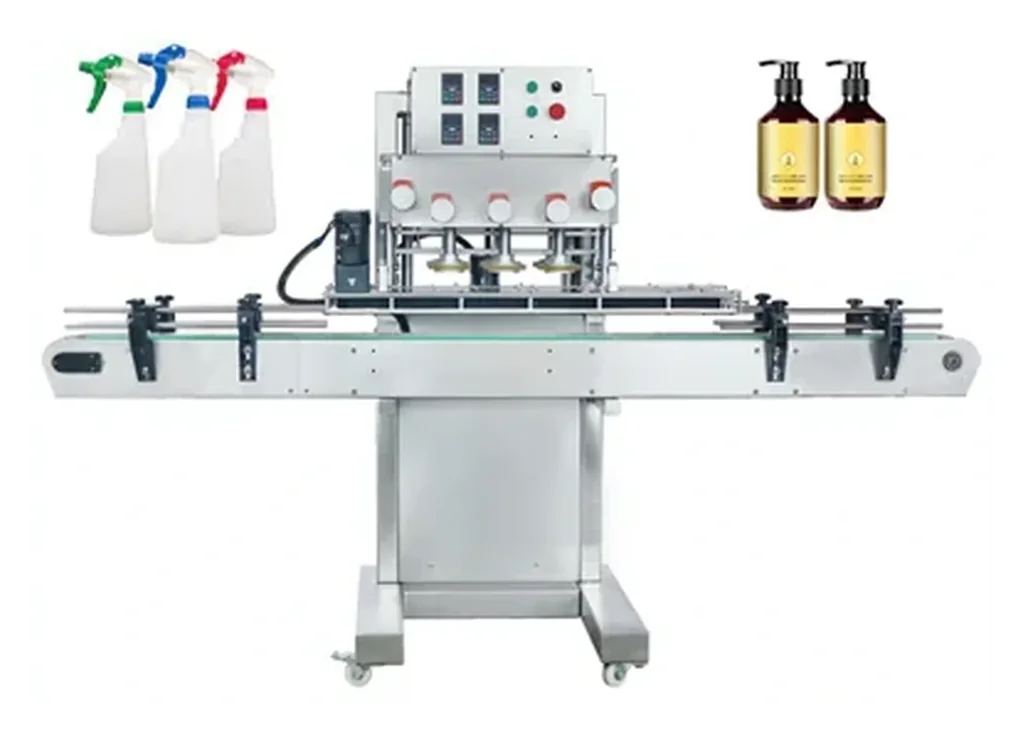
Automatic screw capping machine for sprays pumps and screw caps
Bench-top capping machines

Bench-top and tabletop capping machines for small batch production.

Bench-top and tabletop capping machines for small batches, pilot lines and controlled cap tightening. UK advice from Lancing for screw caps and closures.

Discuss this requirement →

Useful details to confirm

  • Cap diameter and height range
  • Bottle height and shape
  • Torque target or opening force
  • Whether caps are placed by hand
  • Expected batches per day
Selection notes

What to check before selecting machinery.

When this route works best

A bench-top capper can be suitable when caps are placed by hand and the main issue is repeatable tightening rather than high speed cap feeding. Bottle support, torque range and cap grip still need to match the closure.

What to check before buying

Check cap diameter, skirt height, liner type, bottle neck finish, bottle height and how the container will be held during tightening. Very light or flexible bottles may need extra support.

Upgrade route

Many companies start with a bench-top capper, then move to semi-automatic or inline automatic capping once the cap family, torque target and production speed are proven.

Next step

Send bottle, cap and output details before final machine selection.

Photos and dimensions can start the discussion. Physical bottle and cap samples are normally the best way to confirm tooling, cap feeding, bottle support and realistic output.

FAQ

Common questions

Are tabletop cappers suitable for production use?

Yes, they can be suitable for small batch production when the operator places caps consistently and the machine applies repeatable tightening.

Can a bench-top capper run different caps?

Often yes, but each cap diameter and bottle format needs to be checked for tooling, grip and torque range.

When should I move from tabletop to automatic capping?

Consider automatic capping when cap placement, operator fatigue or bottle handling is limiting output or consistency.

Call nowContact us